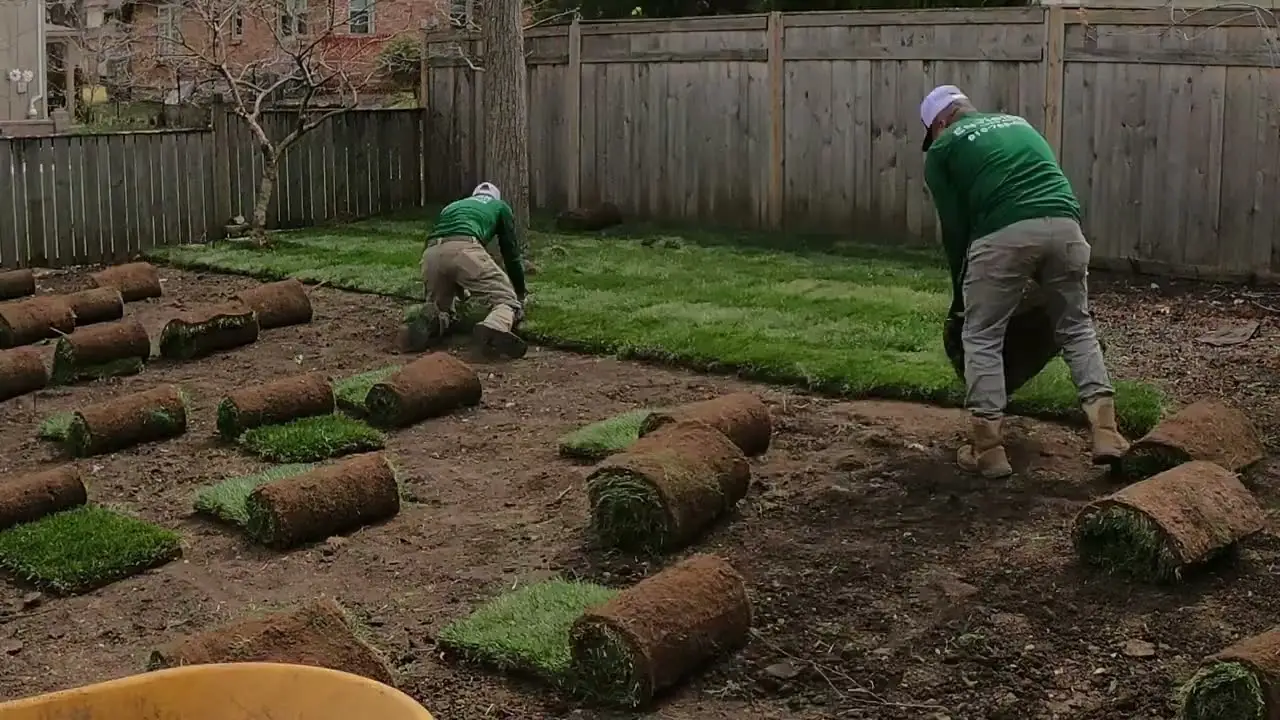
When most people think of sod, they picture spring green-ups and summer installs. But for landscape contractors and golf course superintendents across Indiana, January and February are some of the most strategic months of the year—especially when it comes to dormant sod.
At Genesis Sod Farms, winter is not our slow season. It’s planning season, prep season, and for many professionals, installation season.
What Is Dormant Sod?
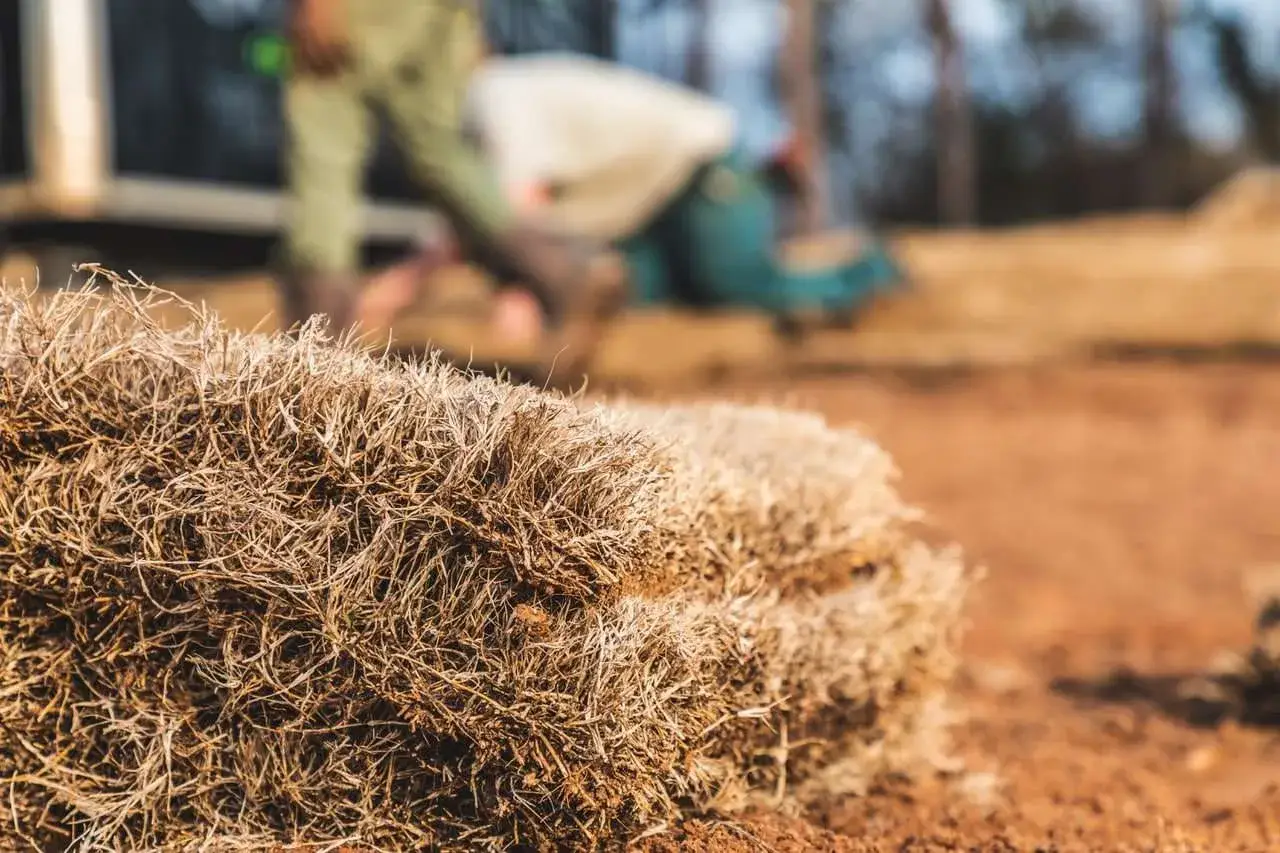
Dormant sod is fully mature turfgrass that has gone into its natural winter rest period. In Indiana, cool-season grasses like Kentucky bluegrass, fescue, and rye enter dormancy once soil temperatures consistently drop.
Dormant sod:
-
Is alive and healthy
-
Has stopped top growth
-
Conserves energy in the root system
-
Greens up naturally once soil temps rise in spring
From a contractor standpoint, dormant sod behaves differently—but in a very predictable and manageable way.
Why Contractors Install Sod in Winter
Winter sod installation is becoming increasingly popular with landscape contractors, commercial properties, and golf courses for several key reasons.
1. Get Ahead of the Spring Rush
Spring calendars fill fast. Installing sod during winter months allows:
-
Projects to be completed before peak season
-
Crews to stay productive year-round
-
Sites to be ready for immediate green-up in spring
For golf courses, this means faster playability on repaired or renovated areas once temperatures rise.
2. Strong Root Establishment (Without Top Growth Stress)
Because the turf isn’t actively growing, dormant sod focuses its energy below the surface:
-
Roots begin establishing as soon as soil allows
-
No mowing or top growth stress
-
Reduced transplant shock
Once spring hits, dormant sod often outperforms spring-installed sod because it’s already settled.
3. Ideal for Commercial & Large-Scale Projects
Winter is an excellent window for:
-
Commercial developments
-
Athletic fields
-
Roadway and municipal projects
-
Golf course tee, fairway, and rough repairs
Less foot traffic and equipment use means cleaner installs and less site disruption.
Winter Sod Installation: What Contractors Need to Know
✔ Frozen Ground Is the Only Hard Stop
Dormant sod can be installed anytime the ground is workable. The only condition that prevents installation is:
-
Frozen soil
-
Snow or ice cover
If the ground can be prepped, sod can be laid.
✔ No Fertilizer Needed in Winter
Applying fertilizer during January or February is unnecessary and ineffective. Nutrient uptake doesn’t begin until soil temperatures rise. Contractors can:
-
Install sod now
-
Schedule fertility programs for early spring
✔ Minimal Maintenance Until Spring
Dormant sod requires:
-
No mowing
-
Limited irrigation (only during extended dry, warm spells)
-
Protection from excessive traffic
This makes it ideal for large properties managing winter workloads.
Why Contractors Choose Genesis Sod Farms
Genesis Sod Farms works closely with landscape contractors and golf course superintendents throughout Indiana. We understand winter logistics, timelines, and jobsite realities.
We offer:
-
Consistent, contractor-grade sod
-
Large and small roll options
-
Reliable winter harvesting and delivery
-
A knowledgeable team that understands professional installs
We’re a family-owned Indiana sod farm, supplying turf that performs from day one—whether it’s laid in January or June.
Planning Now Pays Off Later
January and February are the time to:
-
Lock in spring projects
-
Secure sod supply
-
Schedule winter installs when conditions allow
-
Set properties up for early green-up success
If you’re a contractor or superintendent looking to maximize efficiency and stay ahead of the season, dormant sod should be part of your winter strategy.
📍 Proudly serving Indiana’s landscape professionals
📞 Contact Genesis Sod Farms to discuss winter availability and scheduling