When temperatures start dropping and the grass begins to lose its summer green, many people assume the sod season is coming to an end. For cool-season grasses, however, the opposite can be true.
Fall is one of the strongest seasons for establishing Kentucky bluegrass and other cool-season turf. Cooler air temperatures reduce the stress associated with summer heat, while soil temperatures can remain favorable for root growth. Cool-season grasses naturally shift their growth patterns in the fall, putting more energy into their root systems and preparing for winter.
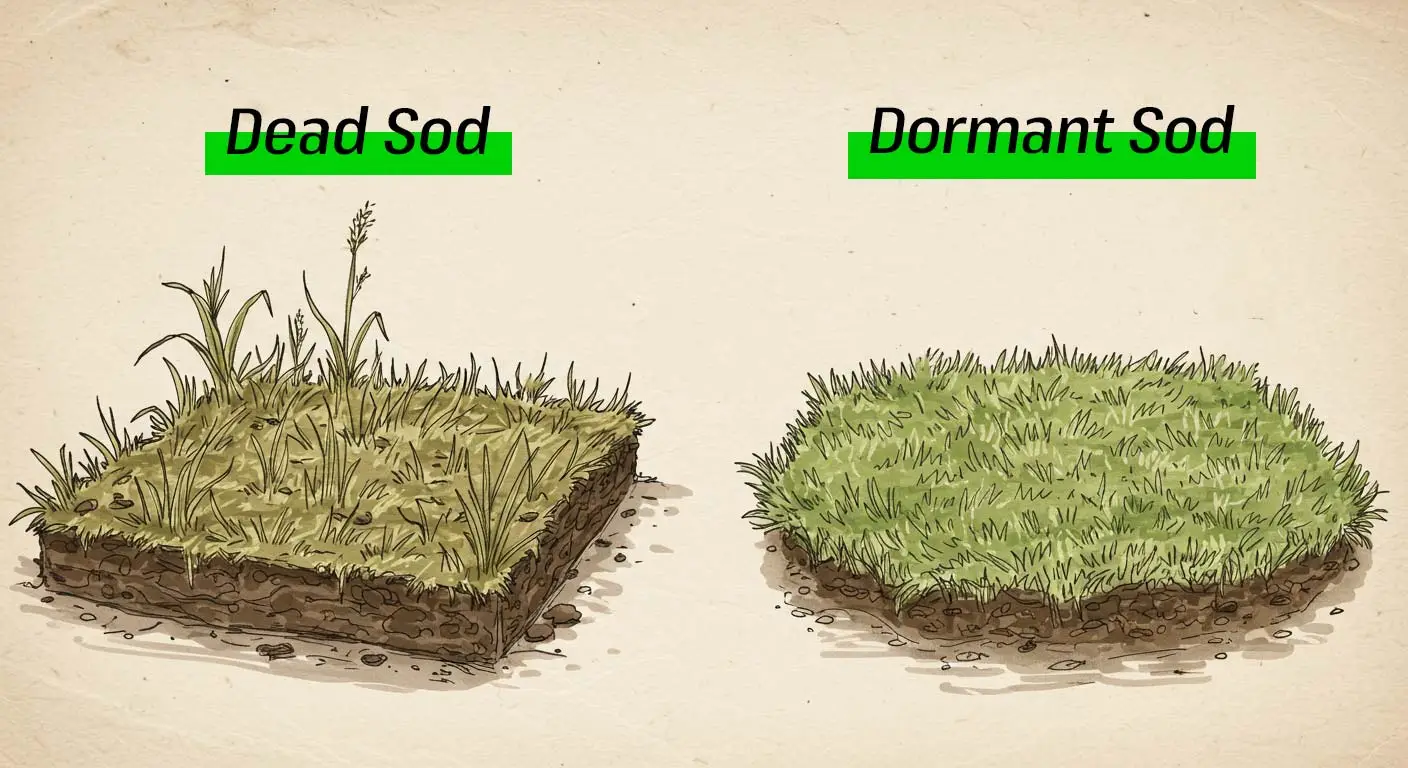
Eventually, temperatures become cold enough that the grass enters dormancy. The blades may turn brown or straw-colored, but that does not mean the turf is dead. Dormancy is a natural survival mechanism that allows cool-season grasses to make it through unfavorable winter conditions and resume growth when temperatures become favorable again.
That brings us to dormant sod.
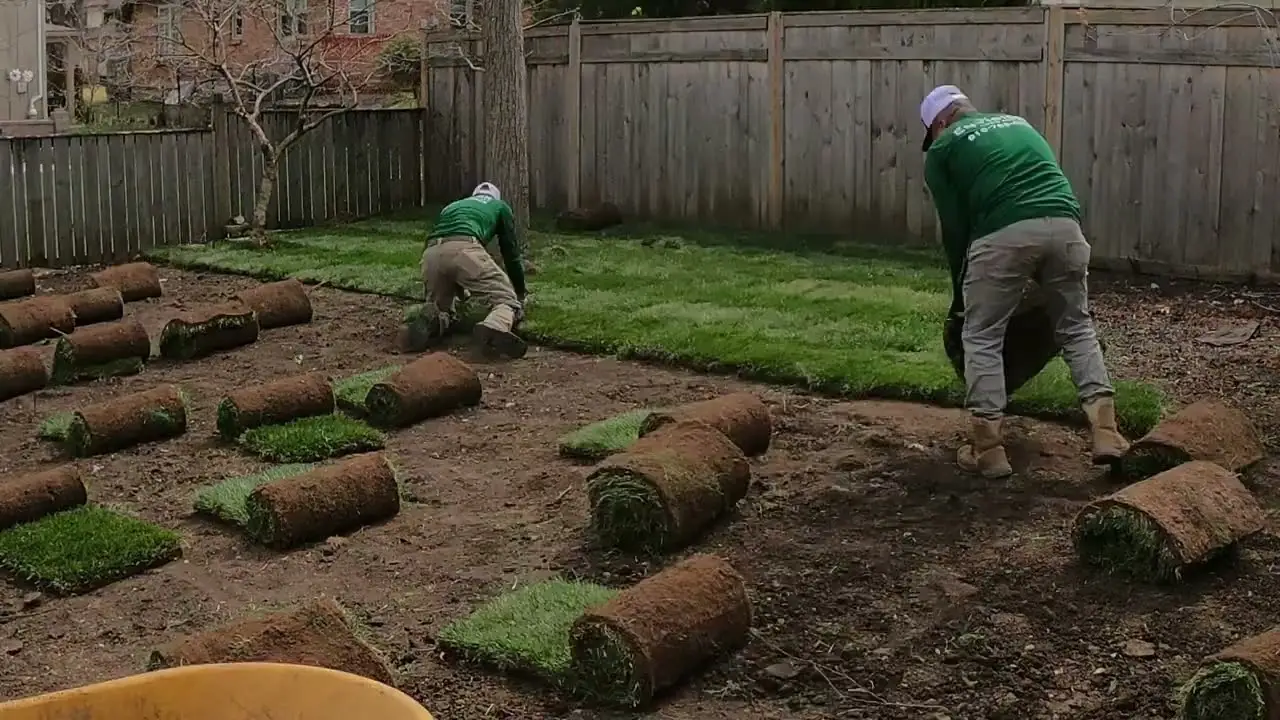
Dormant sod is sod that has been harvested and installed after the grass has entered or is approaching dormancy. The grass may not provide the bright green appearance associated with an active growing season, but the living turf and root system are still there.
So why install it?
One major advantage is that dormant sod can give a project a finished surface heading into winter rather than leaving bare soil exposed until spring. The sod protects the soil and provides a head start for the landscape. When spring temperatures return and the grass comes out of dormancy, the established sod is already in place and ready to resume growth.
Dormant installation can also be a valuable option for contractors who have projects that need to be completed late in the year. Fall doesn’t have to mean putting every sod project on hold. As long as ground conditions are workable and installation can be completed properly, late-season sod can extend the installation window well beyond the traditional summer season.
The key is understanding that dormant sod still needs to be handled correctly. Even though the grass isn’t actively growing above ground, moisture remains important. Newly installed sod should receive appropriate watering until the ground freezes, with the exact schedule adjusted for rainfall, temperature, and soil conditions. Fall watering needs are generally lower than during summer, but newly installed turf shouldn’t simply be forgotten because the weather is cooler.
For contractors, that makes dormant sod another tool in the toolbox. Instead of looking at the first signs of dormancy and thinking “sod season is over,” think “we’re entering another opportunity.”
At Genesis Sod Farms, we cut Kentucky bluegrass and fescue sod for contractors throughout the fall, weather permitting. Whether you’re finishing a large commercial project, installing a new landscape, or trying to get one last job across the finish line before winter, fall can be an excellent time to put sod in the ground.
The grass might be going dormant. Your project doesn’t have to.